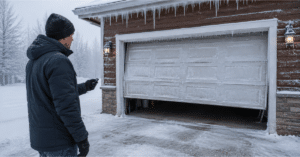
When winter hits, the garage often becomes the coldest part of the house. That chill doesn’t stay put—it seeps into nearby rooms, strains your heating system, and makes the garage uncomfortable to use. This is why many homeowners search for how to insulate a garage door for winter once temperatures start dropping.
The good news is that insulating a garage door is one of the most effective and budget-friendly ways to improve winter comfort. In this guide, you’ll learn how insulation works, which materials perform best, and how to install insulation correctly so you get real results—not just extra padding on the door.
Why Insulating Your Garage Door Matters in Winter
Garage doors are usually made of thin metal or wood with no built-in insulation. During winter, they act like a direct pathway for cold air to enter and warm air to escape.
Learning insulate a garage door for winter helps:
- Reduce heat loss from your home
- Keep adjacent rooms warmer
- Lower heating costs
- Protect stored items from freezing
- Make the garage usable year-round
If your garage is attached to your home, insulation becomes even more important.
How Garage Door Insulation Works
Insulation slows down heat transfer. Instead of allowing outside cold air to rush in, insulation creates a thermal barrier that stabilizes temperatures.
When properly installed, insulated garage doors:
- Maintain more consistent indoor temperatures
- Reduce drafts and cold spots
- Improve overall energy efficiency
That’s why understanding how to insulate a garage door for winter is a smart move before the cold season sets in.
Best Types of Garage Door Insulation for Winter
Polystyrene (Rigid Foam Panels)
Polystyrene panels are lightweight, affordable, and easy to install. They’re a popular choice for DIY projects and provide solid insulation performance.
They work especially well if you want a quick and effective winter upgrade without modifying the door structure.
Polyurethane (Spray or Injected Foam)
Polyurethane offers higher insulation value than polystyrene. It expands to fill gaps, making it very effective at blocking cold air.
However, it’s usually found in factory-insulated doors or requires professional installation.
Reflective Insulation
Reflective insulation helps bounce radiant heat back into the garage. While often associated with hot climates, it can also help in winter when paired with foam boards.
Understanding R-Value Before You Insulate
R-value measures insulation’s resistance to heat flow. The higher the R-value, the better the insulation performs.
Most garage door insulation kits range from R-6 to R-18. For winter climates, higher R-values provide better protection against cold air.
Knowing R-value is essential when deciding to insulate a garage door for winter effectively.
Preparing Your Garage Door for Insulation
Before installing insulation, preparation matters.
Start by cleaning the inside of the garage door. Dust and debris can prevent insulation from fitting properly. Inspect for cracks, damaged panels, or gaps that could allow cold air in even after insulation is installed.
Also, check door balance. Adding insulation adds weight, and your opener should be able to handle it smoothly.
Step-by-Step: How to Insulate a Garage Door for Winter
Measure the Door Panels
Measure each garage door panel carefully. Accurate measurements ensure insulation fits snugly, which is key for winter performance.
Cut Insulation to Size
Cut foam boards slightly smaller than each panel opening. This allows for easy placement while maintaining a tight fit.
Install the Insulation
Press the insulation into each panel. Most rigid boards stay in place using panel grooves, adhesive strips, or retention clips.
Make sure there are no gaps. Even small openings can let cold air sneak through.
Seal Around the Edges
Use weather-resistant tape or foam sealant around edges if needed. This step significantly boosts winter efficiency.
Test Door Operation
Open and close the door several times. Ensure smooth movement and listen for unusual sounds. If the door feels heavy, you may need to adjust the spring tension.
Don’t Forget Weatherstripping
Learning how to insulate a garage door for winter isn’t complete without addressing weatherstripping.
Worn or cracked weatherstripping allows cold air to flow freely under and around the door. Replacing it is inexpensive and often makes a noticeable difference immediately.
Insulating the Door vs Insulating the Garage
Garage door insulation works best when combined with:
- Wall insulation
- Ceiling insulation
- Sealed windows and vents
While the door is the biggest weak point, treating the garage as a complete system leads to the best winter results.
Common Mistakes to Avoid
One mistake is over-insulating without checking door balance. Another is ignoring gaps around the door frame. Some homeowners also expect insulation to fully heat the garage, which isn’t realistic. Insulation moderates temperature—it doesn’t replace heating.
Does Insulating a Garage Door Lower Energy Bills?
Yes, especially in attached garages. Insulated doors reduce heat loss, meaning your HVAC system doesn’t need to work as hard.
Over a winter season, this can result in noticeable energy savings, particularly in cold climates.
How Much Does Garage Door Insulation Cost?
Most DIY insulation kits range from affordable to moderate in cost, making them one of the most cost-effective winter home upgrades.
Compared to replacing a garage door entirely, insulating an existing door delivers excellent value.
How Long Does Garage Door Insulation Last?
When installed correctly, insulation can last many years. Foam boards don’t degrade easily and require little maintenance. Occasional checks ensure panels stay secure and dry.
Is Insulating a Garage Door Worth It for Winter?
For most homeowners, yes. If cold air leaks, temperature swings, or high heating costs are concerns, insulation provides fast, noticeable improvement. This is why insulate a garage door for winter remains one of the most searched winter home upgrade topics.
Conclusion
Knowing how to insulate a garage door for winter gives you more control over your home’s comfort and energy efficiency. With the right materials, careful installation, and proper sealing, garage door insulation can dramatically reduce cold air infiltration and heat loss.
It’s a practical, affordable upgrade that pays off every winter—especially for homes with attached garages. If you want warmer rooms, lower energy bills, and a more usable garage, insulating your garage door is a smart place to start.
FAQs
Q: Can I insulate my garage door myself?
A: Yes. Most homeowners can install insulation kits with basic tools and minimal experience.
Q: What is the best insulation for cold winters?
A: Polystyrene and polyurethane offer strong thermal resistance for winter climates.
Q: Will insulation make my garage warm?
A: It will moderate temperatures, not fully heat the space.
Q: Does insulation affect garage door performance?
A: When installed correctly and balanced properly, it will not harm performance.
Q: Is insulating an old garage door possible?
A: Yes. Most older doors can be retrofitted with insulation kits successfully.