Garage door sensors may be small, but they play a critical role in keeping your home safe. If you’ve ever wondered how does a garage door sensor work, you’re not alone. Many homeowners only notice these sensors when the garage door refuses to close or suddenly reverses direction.
In this guide, we’ll break everything down in simple terms. You’ll learn how garage door sensors function, why they are required for safety, and what common issues can affect their performance. This article is written for homeowners and beginners, with a smooth, conversational tone and clear explanations.
What Is a Garage Door Sensor?
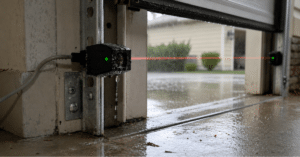
A garage door sensor is a safety device designed to prevent the garage door from closing on people, pets, vehicles, or objects. These sensors are installed near the bottom of the garage door tracks, usually about six inches above the ground.
Modern garage door openers are required to have these sensors. Without them, the door could cause serious injury or damage while closing.
Understanding how does a garage door sensor work starts with knowing that the system always prioritizes safety over convenience.
How Does Garage Door Sensor Work?
At its core, a garage door sensor works by using an invisible infrared beam. The system consists of two sensor units placed on opposite sides of the garage door.
One sensor sends the infrared beam, while the other receives it. When the beam is uninterrupted, the garage door is allowed to close normally. However, if something blocks that beam, the sensor immediately signals the opener to stop or reverse the door.
This process happens instantly, which is why garage door sensors are so effective at preventing accidents.
Main Components of a Garage Door Sensor System
To fully understand how does a garage door sensor work, it helps to look at the key components involved.
- The Sending Sensor: This sensor emits the infrared beam. It continuously sends the signal across the doorway whenever the garage door is closing.
- The Receiving Sensor: The receiving sensor detects the infrared beam. As long as it receives the signal, the system knows the path is clear.
- The Garage Door Opener: The opener acts as the control center. It receives information from the sensors and decides whether the door should continue closing, stop, or reverse.
All three components must work together smoothly for proper operation.
Why Garage Door Sensors Are Required
Garage door sensors are not optional. Safety regulations require them on all modern garage door openers. The reason is simple: garage doors are heavy and powerful.
Without sensors, a closing garage door could easily injure a child, crush a pet, or damage a vehicle. The sensor system ensures that even small obstacles are detected before harm occurs.
This safety-first design is the foundation of how garage door sensor work systems are engineered.
What Happens When the Sensor Beam Is Blocked?
When something interrupts the infrared beam, the receiving sensor stops detecting the signal. The opener immediately interprets this as danger.
As a result:
- The garage door will not close, or
- The door will stop and reverse direction
This reaction prevents accidents and alerts the homeowner that something is in the way.
Indicator Lights and What They Mean
Most garage door sensors have small LED indicator lights. These lights help you understand whether the system is working correctly.
In most cases:
- A steady light means the sensor is aligned and working
- A blinking light indicates misalignment or obstruction
- No light often points to wiring or power issues
Learning to read these lights makes it easier to diagnose problems related to how does garage door sensor work.
How Sensor Alignment Affects Performance
Proper alignment is critical for garage door sensors. The infrared beam must travel in a straight line from one sensor to the other.
If one sensor is bumped, tilted, or mounted too high or low, the beam can miss the receiver. When this happens, the system behaves as if something is blocking the door—even when nothing is there.
This is why misalignment is one of the most common sensor-related issues homeowners face.
How Wiring Supports Garage Door Sensor Operation
Garage door sensors rely on low-voltage wiring to communicate with the opener. These wires carry signals from the sensors back to the control unit.
If a wire becomes loose, cut, or damaged, the sensor may stop working properly. Even small wiring issues can interrupt communication and affect how does garage door sensor work.
Keeping wires secure and protected helps maintain reliable operation.
Environmental Factors That Affect Sensors
Several environmental conditions can interfere with garage door sensors.
Bright sunlight can sometimes disrupt the infrared beam, especially if the garage faces direct sunlight during certain times of day. Dust, dirt, spider webs, and moisture can also affect sensor performance.
Regular cleaning and slight repositioning often solve these issues quickly.
How Garage Door Sensors Improve Daily Safety
Most homeowners don’t think about their garage door sensors daily, but they quietly protect everyone who uses the garage.
Whether a child runs under the door, a pet wanders into the opening, or a car bumper is slightly out of place, sensors react instantly. This constant monitoring is a key reason why understanding how does garage door sensor work is so important.
Common Misconceptions About Garage Door Sensors
Some people believe sensors only matter when something is directly in the doorway. In reality, even slight misalignment or interference can cause problems.
Others think sensors are fragile or unreliable. In truth, they are very durable and designed to function for years with minimal maintenance.
Knowing the facts helps prevent unnecessary frustration.
How Often Should Garage Door Sensors Be Checked?
It’s a good idea to visually inspect your garage door sensors every few months. Check that they are clean, aligned, and securely mounted.
A quick test—placing an object in the door’s path while closing—can confirm that the sensors are responding correctly. Regular checks ensure the system continues to work as designed.
When Sensors Stop Working Properly
If your garage door won’t close or reverses unexpectedly, sensors are often the cause. While the system itself is simple, small issues can affect performance.
Understanding how does garage door sensor work makes troubleshooting easier and helps you decide whether the fix is simple or requires professional help.
Conclusion
So, how does garage door sensor work? It uses an infrared beam to detect obstacles and prevent accidents before they happen. This simple yet powerful system protects people, pets, vehicles, and property every day.
By understanding how the sensors function, what affects them, and why they are essential, you can maintain a safer and more reliable garage door system. A little knowledge goes a long way in keeping your home secure.
Frequently Asked Questions (FAQs)
Q: How do I know if my garage door sensor is working?
A: Check the indicator lights and test the door by placing an object in its path while closing.
Q: Can a garage door work without sensors?
A: Modern garage doors are required to have sensors and should not operate without them.
Q: Why does my garage door close halfway and reopen?
A: This usually means the sensor beam is blocked or misaligned.
Q: Do garage door sensors wear out?
A: They can last many years, but wiring damage or physical impact may require replacement.
Q: Are all garage door sensors the same?
A: Most use infrared technology, but designs and indicator lights may vary by brand.