Garage doors are used multiple times a day, yet many homeowners only think about maintenance when something goes wrong. The good news is that there are several DIY Garage Door Maintenance Tips that homeowners can perform themselves to keep the door running smoothly and avoid costly repairs—without putting themselves at risk.
It’s important to understand that not all garage door maintenance is safe to do on your own. Springs, cables, and major adjustments should always be left to professionals. This guide focuses only on safe, homeowner-friendly maintenance tasks that improve performance, extend lifespan, and enhance safety.
Why Safe DIY Garage Door Maintenance Matters
Garage doors are heavy systems that operate under tension. While basic care is encouraged, unsafe DIY attempts often lead to injuries and expensive damage. That’s why following DIY Garage Door Maintenance Tips is the smart approach.
Safe maintenance helps:
- Reduce unexpected breakdowns
- Improve daily operation
- Extend the life of components
- Prevent emergency repair costs
- Keep your family safe
Knowing what not to do is just as important as knowing what to do.
DIY Garage Door Maintenance Tips (Safe Ones Only):
Start With a Visual Inspection
A visual inspection is one of the safest and most effective maintenance steps homeowners can perform.
Walk around the garage door and look for:
- Loose bolts or brackets
- Frayed cables (do not touch them)
- Bent tracks
- Cracks or damage in door panels
If anything looks unusual, stop using the door and call a professional. Visual checks help spot issues early without risk.
Clean the Tracks
Keeping tracks clean improves door movement and prevents rollers from slipping.
How to Clean Tracks Safely: Use a dry cloth or soft brush to remove dirt, dust, and debris. Avoid using grease or heavy lubricants on the tracks, as they can cause rollers to slide instead of roll.
This simple task is one of the safest DIY garage door maintenance tips homeowners can do regularly.
Lubricate Moving Parts
Lubrication reduces friction and wear, helping the door operate smoothly.
Parts You Can Safely Lubricate
Apply a garage-door-specific lubricant to:
- Rollers (not plastic wheels)
- Hinges
- Bearings
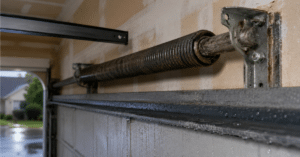
- Springs (do not adjust them)
Avoid household grease, which attracts dust and causes buildup.
Test Safety Sensors
Garage door safety sensors protect people, pets, and property.
How to Test Sensors
- Close the door
- Wave an object across the sensor beam
- The door should stop and reverse immediately
If it doesn’t, clean the sensors and check alignment. If the issue continues, professional service is needed.
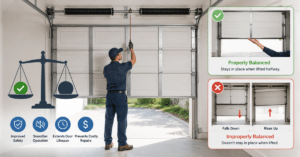
Check Door Balance (No Tools)
A balanced door reduces strain on the opener.
Safe Balance Test
- Disconnect the opener using the release cord
- Lift the door halfway by hand
- A balanced door should stay in place
If the door moves up or down, stop and reconnect the opener. Spring adjustments must be handled by professionals.
Tighten Loose Hardware
Garage doors vibrate during operation, which can loosen hardware over time.
Using a wrench, gently tighten:
- Hinges
- Roller brackets
- Track mounting bolts
Do not overtighten or adjust anything attached to springs or cables.
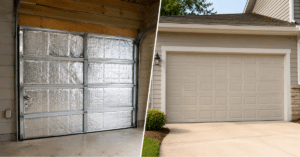
Clean and Inspect Weather Seals
Weather seals keep out moisture, dirt, and pests.
Check the bottom seal and side seals for:
- Cracks
- Gaps
- Stiff or brittle rubber
Replacing worn seals improves insulation and prevents moisture-related damage.
Listen for Unusual Noises
Sound is an early warning system.
Grinding, squeaking, or rattling often indicates:
- Lack of lubrication
- Loose hardware
- Worn rollers
Addressing noise early helps prevent more serious problems later.
Keep the Area Clear
Clutter near the garage door can interfere with movement and sensors.
Make sure:
- Tracks are unobstructed
- Sensors aren’t blocked
- Tools and bikes are stored away
A clear area reduces accidents and sensor malfunctions.
Test the Auto-Reverse Feature
This safety feature prevents the door from closing on objects.
How to Test
Place a solid object under the door and close it. The door should reverse on contact. If it doesn’t, stop using the door and call a technician.
Skipping this test is a common safety mistake.
What DIY Garage Door Maintenance You Should NEVER Do
For safety reasons, homeowners should never:
- Adjust or replace springs
- Repair or replace cables
- Realign tracks under tension
- Remove bottom brackets
- Force a stuck door
How Often Should DIY Maintenance Be Done?
A simple schedule works best:
- Visual inspection: monthly
- Lubrication: every 3–4 months
- Sensor testing: monthly
- Hardware tightening: twice a year
Consistency is more important than complexity.
When DIY Is Not Enough
If you notice:
- Door closing too fast
- Door coming off track
- Broken springs or cables
- Repeated sensor failures
Stop DIY maintenance and contact a professional immediately.
Benefits of Safe DIY Garage Door Maintenance
Following DIY Garage Door Maintenance Tips offers long-term advantages:
- Fewer emergency repairs
- Quieter operation
- Longer door lifespan
- Improved safety
- Lower maintenance costs
Small efforts add up to big savings.
Frequently Asked Questions (FAQ)
Q: Are DIY garage door maintenance tasks safe?
A: Yes, if they are limited to inspections, cleaning, lubrication, and testing safety features.
Q: Can homeowners adjust garage door springs?
A: No. Spring adjustments are dangerous and must be handled by professionals.
Q: How often should garage door maintenance be done?
A: Basic checks monthly and lubrication every few months are recommended.
Q: What lubricant should be used?
A: Use a garage-door-specific or silicone-based lubricant.
Q: When should I stop DIY maintenance?
A: If the door feels heavy, uneven, or unsafe, stop and call a technician.
Conclusion
DIY garage door maintenance tips allow homeowners to keep their garage doors reliable without unnecessary risk. By focusing on inspections, cleaning, lubrication, and safety testing—and avoiding dangerous repairs—you can prevent breakdowns, extend the life of your door, and protect your family.
Safe maintenance isn’t about doing more—it’s about doing the right things, the right way.