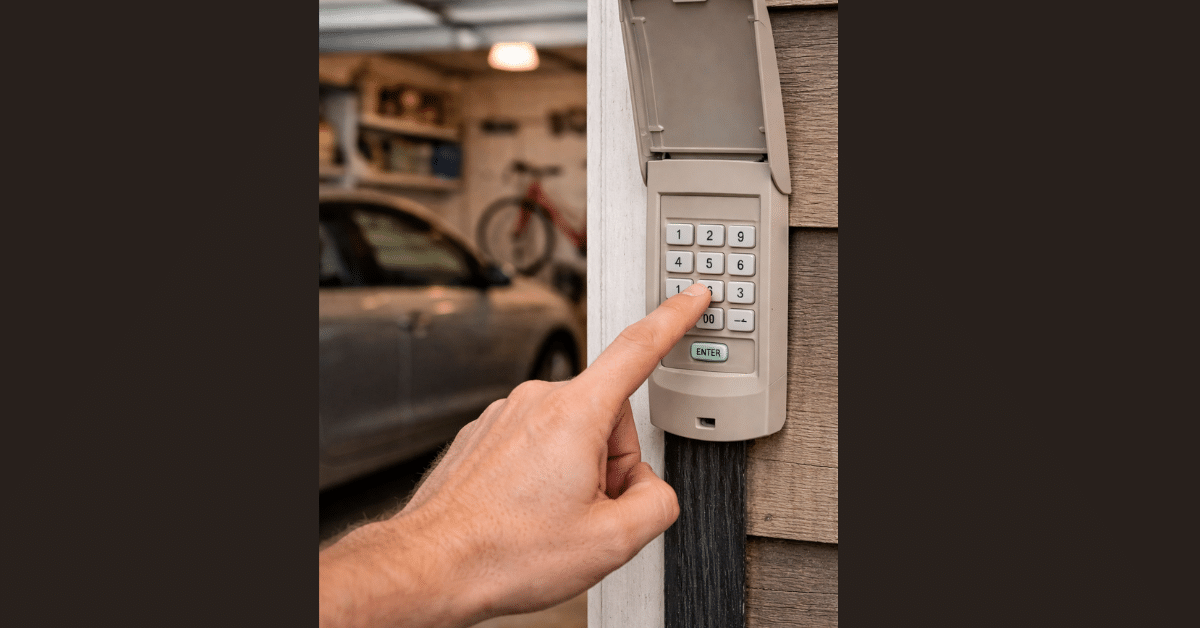
Garage door technology has evolved significantly over the years. Modern homes and commercial spaces now use smart, secure, and convenient entry systems. One of the most practical innovations is the garage door keypad. Many homeowners appreciate this device because it allows them to open and close their garage without carrying a remote control or key.
But how do garage door keypads work exactly? Understanding the technology behind them helps you use the system more effectively and maintain better security for your garage.
In this comprehensive guide, we will explain how garage door keypads operate, their components, security features, installation process, and why they are becoming a popular choice for modern garages.
What Is a Garage Door Keypad?
Before understanding how garage door keypads work, it is important to know what they are.
A garage door keypad is a small wireless device mounted outside the garage. It contains a numeric keypad that allows users to enter a security code. Once the correct code is entered, the keypad sends a signal to the garage door opener, which activates the door.
This system allows convenient access without needing a physical key or remote. Many families install keypads so children, relatives, or service providers can enter the garage safely.
Because keypads are installed outside the garage, they are designed to withstand outdoor conditions such as rain, heat, and dust.
How To Reset Liftmaster Keypad?
How Garage Door Keypads Work
Understanding how garage door keypads work requires looking at the basic communication process between the keypad and the garage door opener.
Wireless Communication With the Opener
Garage door keypads typically operate through wireless radio frequency signals. When a user enters the correct access code, the keypad transmits a coded signal to the garage door opener installed inside the garage.
The opener receives the signal and verifies the code. If the signal matches the programmed access code, the motor activates and the garage door opens or closes.
This wireless system eliminates the need for complicated wiring between the keypad and the opener.
Programming the Access Code
Every keypad requires a programmed security code. During setup, the homeowner chooses a numeric code that activates the door.
When the keypad detects the correct code, it triggers the opener’s receiver. If the code is incorrect, the system will not respond.
This simple yet secure process ensures that only authorized users can access the garage.
Rolling Code Technology
Many modern systems include rolling code technology. This advanced security feature changes the transmission code each time the door is used.
Because the code constantly changes, it prevents hackers or signal scanners from copying the access signal. As a result, rolling code technology makes garage door keypads significantly more secure than older systems.
Key Components That Make Garage Door Keypads Work
To fully understand how garage door keypads work, it helps to look at the main components involved in the system.
Numeric Keypad Interface
The keypad interface allows users to enter their access code. The buttons are designed for outdoor use and usually include backlighting for nighttime visibility.Many keypads also include weather-resistant covers to protect the buttons.
Wireless Transmitter
Inside the keypad is a small transmitter that sends the radio signal to the garage door opener. This transmitter communicates directly with the opener’s receiver.
Because the system uses wireless signals, installation remains simple and flexible.
Garage Door Opener Receiver
The receiver is installed inside the garage door opener motor unit. It listens for signals from remotes and keypads.
When the receiver detects a valid signal, it activates the motor that lifts or lowers the garage door.
Battery Power Source
Most garage door keypads operate on small batteries. These batteries allow the keypad to function without wiring or electrical connections.
Battery-powered systems make installation easy and allow keypads to operate even during minor electrical interruptions.
Benefits of Using Garage Door Keypads
Once you understand how garage door keypads work, it becomes clear why they are widely used.
Keyless Convenience: One major advantage is convenience. Users do not need to carry keys or remote controls. Instead, they simply enter the access code to open the garage. This feature is particularly useful when exercising, walking pets, or performing outdoor activities.
Shared Access for Family Members: Families often use keypads so multiple people can access the garage without needing separate remotes. Parents can also provide temporary codes to trusted individuals such as neighbors or housekeepers.
Improved Security: Compared to traditional garage remotes, keypads provide an extra layer of security. Only people who know the access code can enter. Advanced models with rolling code technology further strengthen protection against unauthorized access.
Easy Installation: Another advantage is the simplicity of installation. Because most keypads are wireless, homeowners can install them without complex wiring or structural modifications.
Common Features in Modern Garage Door Keypads
As technology improves, manufacturers continue to enhance keypad systems.
- Many modern keypads include illuminated buttons, which allow easy access at night. Weatherproof designs protect the keypad from rain, dust, and extreme temperatures.
- Some systems also allow temporary access codes. For example, homeowners can create short-term codes for delivery drivers or contractors.
- In addition, smart home integration has become increasingly popular. Certain keypads connect to mobile apps that allow homeowners to monitor garage activity and change codes remotely.
These features make garage access safer and more convenient.
Installing a Garage Door Keypad
Understanding how garage door keypads work also involves learning how they are installed.
- The installation process typically begins with mounting the keypad near the garage door. Most manufacturers recommend placing it about five feet above the ground to ensure easy access.
- Next, the keypad must be programmed to communicate with the garage door opener. This step usually involves pressing a “learn” button on the opener unit and entering a code on the keypad.
- Once programmed successfully, the keypad becomes part of the garage door system.
Homeowners can complete installation themselves, but professional installation ensures optimal placement and security.
Troubleshooting Garage Door Keypads
Occasionally, users may experience issues with their keypad system.
- The most common problem involves dead batteries. Replacing the batteries often resolves keypad malfunctions.
- Another issue may involve incorrect programming. If the keypad loses connection with the opener, reprogramming the access code usually restores functionality.
- Environmental factors such as extreme weather or interference from nearby devices may also affect wireless communication.
Regular maintenance helps prevent these issues and ensures smooth operation.
Are Garage Door Keypads Secure?
Security is a common concern among homeowners considering keypad systems. Fortunately, modern keypads include several security protections. Rolling code technology prevents signal duplication, while customizable access codes allow homeowners to control who can enter. Additionally, many systems automatically lock after several incorrect code attempts, reducing the risk of unauthorized access. These features make garage door keypads one of the safest entry solutions for modern garages.
Conclusion
Garage door keypads provide a convenient and secure way to access your garage without using traditional keys or remotes. By understanding how garage door keypads work, homeowners can appreciate the technology that makes this system reliable and safe.
These devices communicate wirelessly with the garage door opener, verify access codes, and activate the motor that moves the door. With features such as rolling code security, battery-powered operation, and smart home compatibility, modern keypads offer both convenience and protection.
As garage technology continues to evolve, keypad systems remain a practical solution for homeowners seeking easy, secure access to their garages.
FAQ
Q: How do garage door keypads work without wires?
A: Garage door keypads operate using wireless radio frequency signals. When a user enters the correct code, the keypad sends a signal to the garage door opener, which activates the door.
Q: Can I install a garage door keypad myself?
A: Yes. Most keypads are designed for easy installation. Homeowners can mount the keypad and program it using the garage door opener’s learn button.
Q: What happens if the keypad battery dies?
A: If the battery dies, the keypad will stop functioning. Replacing the battery restores normal operation.
Q: Are garage door keypads safe?
A: Yes. Modern keypads use secure communication systems such as rolling codes and access codes, which help prevent unauthorized entry.
Q: Can I change the keypad code?
A: Yes. Most garage door keypads allow homeowners to change the access code whenever needed, which helps maintain security.