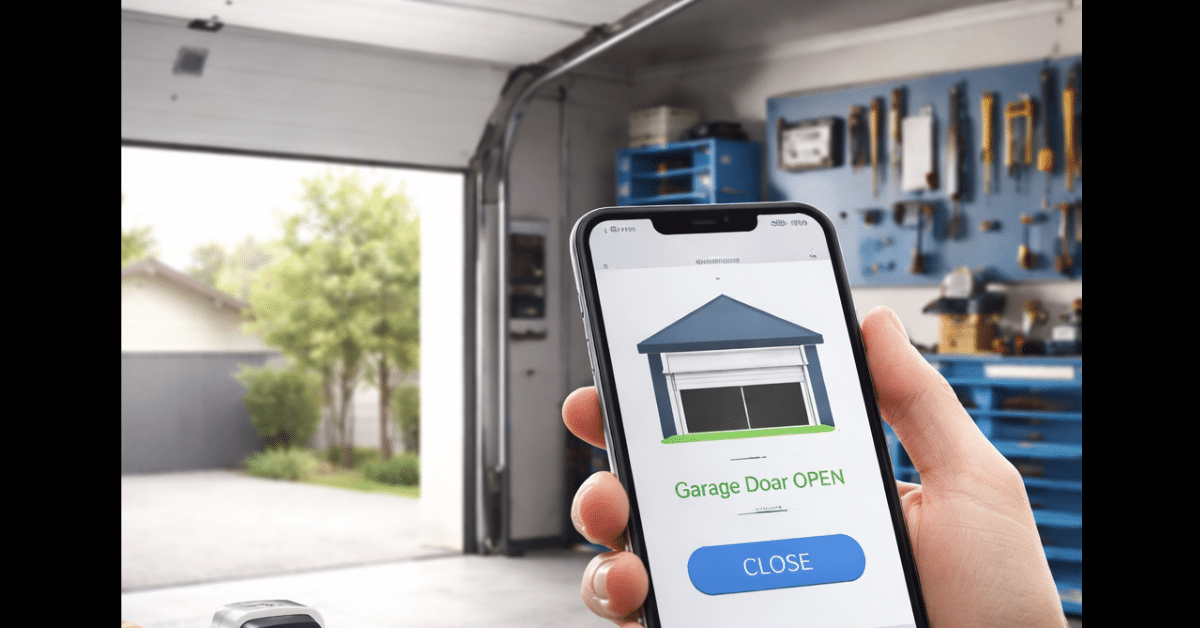
Your garage door is one of the largest moving parts in your home — and one of the most overlooked when it comes to smart upgrades. Today, smart garage door technology has evolved far beyond simple remote controls. Modern systems offer real-time alerts, voice assistant support, smartphone access, and advanced security features that give homeowners greater peace of mind. However, with so many options flooding the market, choosing the right system can feel overwhelming. This guide walks you through everything you need to know so you can make a confident, informed decision.
What Is Smart Garage Door Technology and Why Does It Matter?
Smart garage door technology refers to garage door openers and controllers that connect to your home’s Wi-Fi network, allowing you to monitor and control them remotely. Through a dedicated app or smart home hub, you can open, close, and check the status of your garage door from anywhere in the world.
This matters for several important reasons. First, it adds a meaningful layer of home security — you will never have to wonder whether you left the garage open after leaving for work. Second, it integrates seamlessly with the growing ecosystem of smart home devices. Third, it adds convenience that genuinely changes day-to-day life, particularly for families juggling busy schedules.
Moreover, insurance companies increasingly recognize smart home upgrades as risk reducers, which can sometimes result in lower premiums. In short, investing in the right smart garage door solution is both a practical and financially sound decision.
Key Features to Look for in Smart Garage Door Technology
Before you spend a single rupee or dollar, you need to understand what features actually matter. Not every product on the shelf justifies its price tag, and the “smartest” option is not always the best one for your specific needs.
Remote Access and Real-Time Notifications
The most fundamental feature of any smart garage door system is remote access. You should be able to open and close your garage door using your smartphone, regardless of your physical location. Beyond that, look for real-time notifications — the system should instantly alert you whenever the door opens or closes. This is especially valuable if you have children who return home from school or if a delivery person needs temporary access.
Voice Assistant Compatibility
Many homeowners already use voice assistants like Amazon Alexa, Google Assistant, or Apple Siri. Therefore, choosing a smart garage door system that works with your existing assistant makes daily life considerably smoother. You can simply say “Hey Google, close the garage” rather than pulling out your phone. Always verify compatibility before purchasing, as not every device supports every assistant.
Auto-Close and Scheduling Features
One of the most underrated features is the auto-close function. This setting automatically closes the garage door after a specified period — typically five to thirty minutes — even if you forget. Some advanced systems also allow scheduling, so your garage door locks itself every night at a specific time. This kind of automation adds both security and energy efficiency to your home.
Geofencing Capability
Geofencing is a location-based feature that automatically triggers actions when your smartphone enters or exits a predefined geographic area. For example, your garage door can open automatically as your car approaches the driveway. This is particularly useful during rainy weather or late-night arrivals. However, since geofencing relies on accurate GPS, test this feature thoroughly before relying on it completely.
Understanding Compatibility with Your Existing Garage Door Opener
Smart garage door technology comes in two main forms: a completely new smart opener that replaces your existing unit, or a smart controller that attaches to your current opener. The second option is significantly more affordable and suits most modern garage door openers manufactured after 1993, provided they have a standard terminal connection.
Retrofit Controllers vs Full Smart Openers
A retrofit controller — such as the popular Chamberlain myQ or Meross Smart Garage Door Opener — attaches to your existing system and adds Wi-Fi connectivity without replacing the motor or rail. These typically cost between $20 and $60, making them an excellent entry point.
A full smart opener, on the other hand, replaces the entire unit and often includes a built-in camera, battery backup, and more powerful motors. These solutions are ideal if your current opener is old, noisy, or unreliable. Budget for $200 to $500 for a quality full replacement unit.
Checking for “Security+ 2.0” or “Rolling Code” Technology
Regardless of which route you choose, verify that the system uses rolling code technology. Rolling codes change the access code every time the door is activated, making it virtually impossible for thieves to capture and replay your signal. Most modern systems support this standard, but always confirm before buying.
Security Considerations When Choosing Smart Garage Door Technology
Security is arguably the most important factor when evaluating any smart garage door technology. After all, your garage is often a direct entry point into your home. A poorly secured smart system could actually make your home more vulnerable rather than less.
Encrypted Communication and Two-Factor Authentication
Always choose a system that uses AES-256 encryption for data transmitted between the opener and the app. Additionally, opt for platforms that support two-factor authentication (2FA). With 2FA enabled, even if someone gains access to your password, they cannot control your garage door without a secondary verification step.
Temporary Access and Guest Codes
A smart system should allow you to grant temporary or limited access to others. For instance, if a contractor is working at your home, you can generate a one-time access code that expires after a single use or within a specific time window. This eliminates the need to hand over physical keys or share your personal app credentials.
Integrated Cameras
Some smart garage door systems include or support an integrated camera inside the garage. This lets you visually confirm whether the door is open or closed and monitor activity inside the space. If this feature appeals to you, check the camera’s resolution, night-vision capability, and cloud storage options before making your decision.
Connectivity Options: Wi-Fi, Z-Wave, and Zigbee Explained
Smart garage door systems connect through various wireless protocols, and understanding the differences will help you choose a system that fits into your existing smart home setup.
Wi-Fi Based Systems
Wi-Fi systems are the most straightforward because they connect directly to your home router without requiring a separate hub. They are easy to set up and widely compatible with major smart home platforms. However, they depend on a stable internet connection — if your router goes down, remote access is lost.
Z-Wave and Zigbee Systems
Z-Wave and Zigbee are mesh network protocols commonly used in professional smart home ecosystems like Samsung SmartThings or Amazon Echo Plus (Zigbee). These systems are more robust and less prone to interference than Wi-Fi, but they typically require a compatible hub. If you are building a broader smart home infrastructure, these protocols offer superior reliability and range.
Budget Planning for Your Smart Garage Door Upgrade
Your budget will naturally influence your choices, so it helps to think about this in clear tiers. A basic retrofit controller that simply adds remote access and notifications will cost $20 to $60. A mid-range system with geofencing, scheduling, and voice assistant support typically ranges from $60 to $150. A premium smart opener with a built-in camera, battery backup, and advanced integrations will run $200 to $500 or more.
Do not forget to factor in installation costs if you are replacing a full unit and are not comfortable with DIY work. A professional installation usually adds $100 to $200 but ensures everything is correctly set up and tested.
Top Smart Garage Door Technology Brands Worth Considering
While specific product rankings change frequently, a few brands have consistently delivered quality and reliability in the smart garage door space.
Chamberlain / LiftMaster is widely regarded as the industry leader. Their myQ platform offers deep smart home integration, real-time alerts, and works with Google Assistant and Alexa. Their professional-grade LiftMaster units are a staple for both residential and commercial applications.
Meross offers affordable Wi-Fi smart garage door controllers that work with Apple HomeKit, Google Home, and Alexa — making them one of the few truly cross-platform options at a budget-friendly price point.
Nexx is another strong contender, particularly for users who want IFTTT integration and scheduling features. Their app is well-reviewed for being intuitive and reliable.
Always read recent user reviews and check for ongoing app support before committing to any brand. A product is only as good as its software, and companies that stop updating their apps can leave users stranded.
Installation Tips for Smart Garage Door Technology
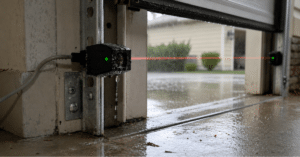
Most retrofit controllers are genuinely DIY-friendly and require minimal technical skill. The basic process involves mounting a sensor on the door, connecting a controller to your opener’s terminals, and downloading the companion app to complete setup. The entire process typically takes under thirty minutes.
However, if you are installing a full smart opener, the process is more involved. You will need to safely disconnect power, remove the old unit, mount the new rail and motor, and ensure all safety sensors are correctly aligned. If you are unsure about any of these steps, hiring a professional is the safer and more reliable choice.
Regardless of which option you choose, always test the door’s manual release function after installation. This ensures you can open the door safely during a power outage or if the smart system encounters a technical issue.
Final Thoughts on Choosing the Best Smart Garage Door Technology
Choosing the right smart garage door technology comes down to four core factors: the features you genuinely need, compatibility with your current setup, the security standards the system meets, and your budget. You do not need to spend a fortune to get a reliable, well-connected system — a mid-range retrofit controller from a reputable brand will satisfy most homeowners.
Start by assessing your existing opener’s age and condition. Then decide whether you need a simple Wi-Fi controller or a full replacement unit. Prioritize systems with rolling code security, two-factor authentication, and active software support. Finally, confirm compatibility with your preferred voice assistant or smart home platform.
When you invest thoughtfully in smart garage door technology, you gain more than just convenience — you gain confidence that your home is better protected every single day.