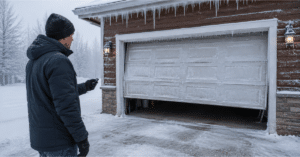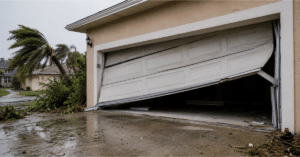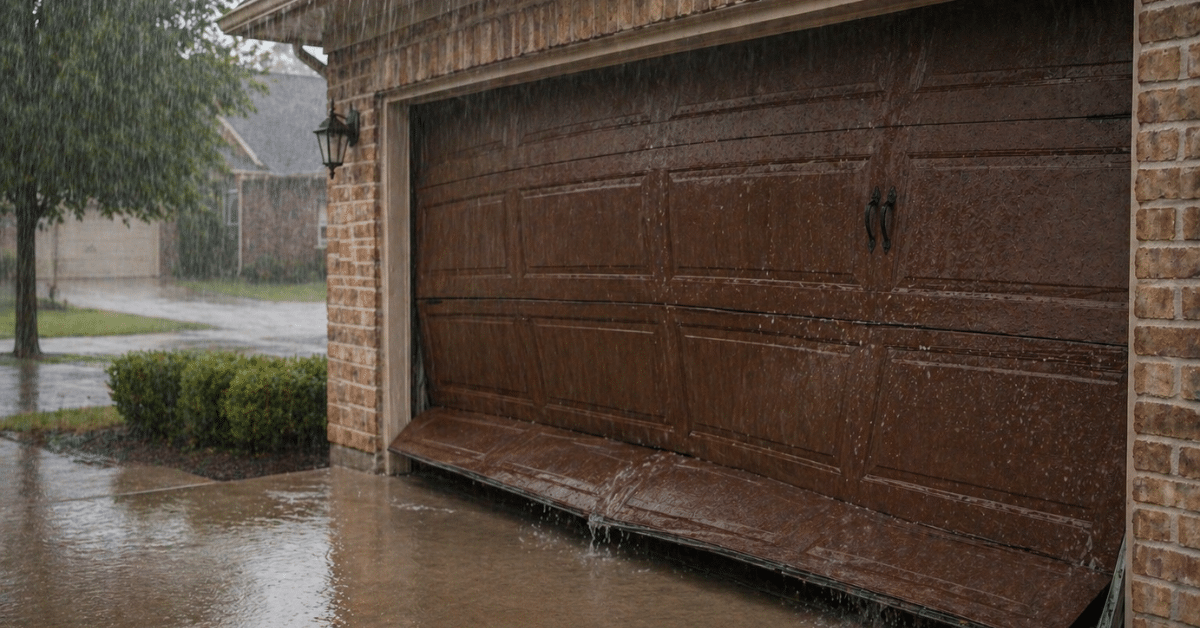
If your garage door keeps acting up in Texas, you’re not imagining it—the weather really is the problem. Garage door problems in Texas weather are common due to extreme heat, high humidity, dust, and sudden temperature changes that put constant stress on your garage door system. Over time, these conditions dry out lubrication, weaken metal parts, misalign sensors, and even warp door panels. What starts as a small issue—like a slow door or strange noise—can quickly turn into a breakdown if ignored. The key is understanding how Texas weather affects each part of your garage door and fixing problems early before they become expensive repairs.
How Texas Weather Impacts Your Garage Door
- Extreme heat (100°F+): dries lubrication, weakens springs, overheats motors
- Humidity: causes rust, corrosion, and cable damage
- Dust and debris: block sensors and clog tracks
- Temperature swings: expand and contract metal parts, affecting alignment
Garage Door Problems in Texas Weather
Garage doors are made of metal, rubber seals, springs, and electronic components. In Texas, these materials are exposed to harsh conditions almost year-round.
For example:
- Metal expands in heat and contracts when temperatures drop
- Rubber seals crack under constant sun exposure
- Dust accumulates faster in dry areas
- Moisture accelerates rust formation
This constant cycle of expansion, contraction, and exposure leads to faster wear compared to milder climates.
1. Garage Door Opening Slowly in Hot Weather
A slow garage door is one of the earliest signs of weather-related stress.
Why It Happens
High temperatures dry out lubricants and increase friction between moving parts. Metal components also expand, making movement tighter and less smooth.
What You’ll Notice
- Door takes longer to open or close
- Motor sounds strained
- Movement feels heavy or uneven
How to Fix It
- Apply a silicone-based or weather-resistant lubricant to rollers, hinges, and tracks
- Check rollers for wear and replace if needed
- Inspect opener settings—some models allow speed adjustment
2. Garage Door Sensors Malfunctioning
Sensors are small but critical for safe operation. In Texas, they often fail due to dust and sunlight.
Why It Happens
- Dust blocks the infrared beam
- Direct sunlight interferes with signal alignment
Symptoms
- Door starts to close, then reverses
- Blinking sensor lights
- Door won’t close unless you hold the wall button
Fix
- Clean sensor lenses with a soft cloth
- Realign sensors until both indicator lights stay solid
- Install small sun shields if glare is an issue
3. Rust and Corrosion from Humidity
Humidity is often overlooked, but it silently damages your system.
Why It Happens
Moisture settles on metal components, especially springs and cables, leading to corrosion over time.
Signs
- Rust spots on springs or tracks
- Squeaking or grinding noises
- Weak or fraying cables
Solution
- Apply anti-rust spray or lubricant regularly
- Replace heavily rusted parts immediately
- Improve ventilation inside your garage
4. Warped or Damaged Garage Door Panels
Texas heat can affect the structure of your garage door itself.
Why It Happens
Constant exposure to high temperatures causes materials—especially wood or lower-quality steel—to expand and weaken.
Symptoms
- Door appears uneven
- Gaps between panels
- Difficulty opening or closing smoothly
Fix
- Replace damaged panels
- Upgrade to insulated or heat-resistant doors
5. Broken or Weak Garage Door Springs
Springs handle most of the door’s weight, making them highly vulnerable to heat stress.
Why It Happens
Repeated heating and cooling weakens the metal, increasing the chance of sudden failure.
Warning Signs
- Loud snapping sound
- Door suddenly won’t open
- Door feels extremely heavy
Important Note
Never attempt to repair springs yourself. They are under high tension and can cause serious injury. Always call a professional.
6. Garage Door Opener Overheating
Your opener motor can struggle in extreme temperatures.
Why It Happens
Heat affects internal electronics and reduces motor efficiency.
Signs
- Delayed response
- Door stops midway
- Opener feels hot to touch
Solution
- Allow the motor to cool down
- Ensure proper ventilation
- Consider upgrading to a heat-resistant model
7. Noisy Garage Door Operation
Noise is often the first sign that something is wrong.
Why It Happens
Dry parts, loose hardware, and worn components create friction and vibration.
What You’ll Hear
- Grinding
- Squeaking
- Rattling
Fix
- Tighten all bolts and brackets
- Lubricate moving parts
- Replace worn rollers
Step-by-Step Maintenance Plan for Texas Homes
Follow this routine to prevent most garage door problems:
Step 1: Monthly Inspection
Check springs, cables, rollers, and tracks for wear.
Step 2: Clean Key Areas
Remove dust and debris from tracks and sensors.
Step 3: Lubricate Moving Parts
Use heat-resistant lubricant every 3 months.
Step 4: Test Door Balance
Disconnect the opener and lift the door manually. It should move smoothly.
Step 5: Schedule Annual Service
A professional inspection can catch hidden issues early.
How to Protect Your Garage Door from Texas Weather
Taking preventive steps can extend your garage door’s lifespan.
- Install insulated or steel garage doors
- Use high-quality weather seals
- Keep your garage clean and dry
- Upgrade to durable, weather-resistant components
When to Call a Professional
Some issues should not be handled on your own.
Call a technician if:
- Springs are broken or worn
- Door is off track
- Opener stops working completely
- Problems keep returning
FAQs
Q: Why does Texas heat affect garage doors so much?
A: High temperatures cause metal expansion and dry out lubrication, leading to friction and wear.
Q: How often should I service my garage door in Texas?
A: Every 3–6 months for basic maintenance, plus yearly professional inspection.
Q: Can humidity damage garage door parts?
A: Yes, it causes rust and corrosion, especially on springs and cables.
Q: What type of garage door is best for Texas?
A: Insulated steel doors are the most durable and weather-resistant.
Q: Is a slow garage door a serious problem?
A: It’s often an early warning sign of bigger issues and should not be ignored.
Final Thoughts
Garage door problems in Texas weather are common—but they’re also preventable. The combination of heat, humidity, and dust puts extra strain on your system, but regular maintenance and quick fixes can keep it running smoothly.
Don’t wait for your garage door to fail. Inspect it regularly, keep it clean and lubricated, and fix small issues early to avoid costly repairs later.