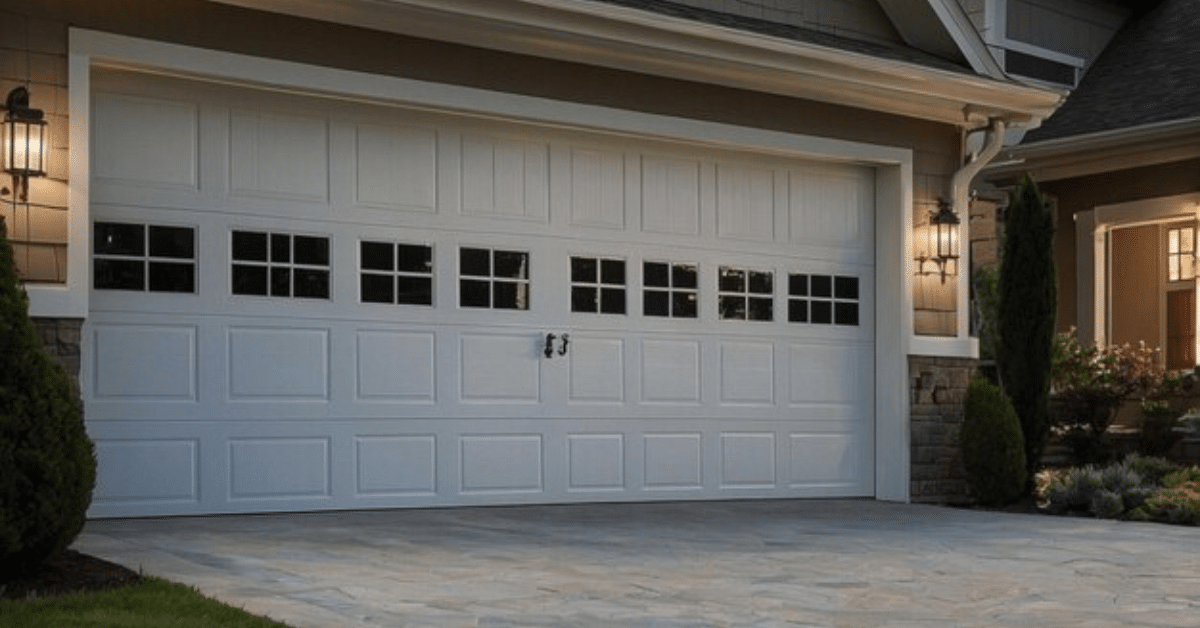
Garage doors are a daily part of life in many homes. They open and close several times a day, often without much thought. However, if you have young children or pets, it’s completely natural to wonder: are garage doors safe for children and pets?
The good news is that modern garage doors are designed with safety in mind. Over the years, strict safety standards and new technology have significantly reduced the risk of accidents. Still, no system is completely risk-free. Safety depends on proper installation, regular maintenance, and smart daily habits.
In this in-depth guide, we’ll break down how garage doors work, where risks come from, and what you can do to make sure garage doors are safe for children and pets in your home.
Why Garage Door Safety Deserves Attention
Children and pets are naturally curious. A moving garage door, unusual noises, or a dangling cord can easily catch their attention. Unlike adults, they don’t always understand danger or consequences.
Garages are also different from other areas of the home. They combine heavy mechanical parts, electrical systems, and large moving doors. When these elements are ignored, the risk of injury increases. That’s why garage door safety should be treated just as seriously as stair gates, cabinet locks, and window guards.
By understanding the risks and taking preventive steps, you can turn your garage into a much safer space for your family.
How Modern Garage Doors Are Built for Safety
Manufacturers design modern garage doors with multiple built-in safety features. These features are the main reason garage doors are safe for children and pets when used correctly.
Auto-Reverse Technology
Auto-reverse is one of the most important safety features. When the garage door is closing and touches an object, it automatically reverses direction. This prevents the door from continuing to close on a child, pet, or object.
Photo-Eye Safety Sensors
Photo-eye sensors are installed near the bottom of the garage door track. They create an invisible beam across the opening. If a child, pet, or even a toy breaks that beam, the door stops closing immediately. These sensors have become a standard safety requirement in many countries.
Manual Release System
Garage doors include a manual release that allows the door to be opened during a power outage. While this is helpful in emergencies, it must be handled carefully to prevent misuse by children.
Common Garage Door Risks for Children and Pets
Even with safety features, risks can still exist. Most accidents happen due to neglect, outdated equipment, or unsafe behavior.
Heavy Door Weight: Garage doors are heavy. If springs, cables, or tracks are worn out, the door may fall faster than expected. This can be dangerous for anyone nearby, especially small children or animals.
Pinch Points and Moving Parts: Hinges, rollers, and tracks move with force. Curious fingers or paws can get caught if a child or pet gets too close during operation.
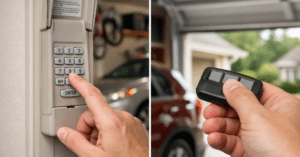
Unsecured Controls and Cords: Wall buttons, remote controls, and emergency release cords can be tempting for children to play with. This can cause unexpected door movement.
Are Garage Doors Safe for Children and Pets in Everyday Use?
With proper care, supervision, and maintenance, the answer is yes. Garage doors are safe for children and pets when homeowners follow basic safety practices.
The biggest factor is awareness. Many incidents happen simply because adults underestimate the risks or assume the door will always function perfectly. Treating the garage door as a powerful machine rather than a simple convenience helps reduce accidents.
The Role of Maintenance in Garage Door Safety
Regular maintenance is essential to keep safety features working properly. A poorly maintained garage door is one of the biggest safety risks in a home.
- Monthly Safety Testing: Test the auto-reverse feature at least once a month. Place a small object on the ground where the door closes. If the door does not reverse after touching it, the system needs immediate attention.
- Sensor Inspection: Dirty or misaligned sensors may fail to detect obstacles. Make sure the sensors are clean, aligned, and facing each other correctly.
- Professional Inspections: Having a professional inspect your garage door once a year helps identify worn parts before they fail. This single step greatly improves the chances that garage doors are safe for children and pets long-term.
Teaching Children Garage Door Safety
Education plays a big role in prevention. Children who understand basic safety rules are less likely to put themselves at risk.
- Set Clear Rules: Explain that the garage door is not a toy. Children should never race under a closing door or play near the tracks.
- Keep Buttons Out of Reach: Wall-mounted controls should be installed high enough that children cannot reach them. This prevents accidental door operation.
- Supervision Is Key: Young children should always be supervised in or near the garage, especially when the door is in use.
Pet Safety Around Garage Doors
Pets face different risks than children, but the goal is the same: prevention.
- Train pets to stay away from the garage door area. Simple commands and consistency can prevent dangerous situations.
- Many accidents happen when pets try to run under a closing door. Always ensure pets are safely inside or restrained before operating the door.
- Garages can become very hot or cold, and moving doors add another layer of risk. Pets should not be left unsupervised in this area.
Smart Technology and Garage Door Safety
Technology has added new ways to improve garage safety and monitoring.
Smart Garage Door Openers: Smart openers allow homeowners to check door status from their phones. You can see whether the door is open or closed and receive alerts when it’s used.
Monitoring Cameras: Installing a camera in or near the garage provides extra visibility. It helps you quickly spot unsafe behavior and correct it.
These tools don’t replace good habits, but they add another layer of protection and peace of mind.
When to Upgrade Your Garage Door System
Older garage door systems may lack essential safety features. If your system is outdated, upgrading is often the safest option.
Signs an Upgrade Is Needed
- No photo-eye sensors
- Door does not auto-reverse properly
- Loud, jerky, or uneven movement
- Frequent repairs or breakdowns
Upgrading ensures modern safety standards are met and greatly improves confidence that garage doors are safe for children and pets.
Creating a Safer Garage Environment
Safety doesn’t stop at the door itself. The entire garage environment matters.
- Keep the area well-lit
- Remove clutter near tracks and door openings
- Lock the door between the garage and the house
- Store hazardous tools and chemicals out of reach
Each small improvement reduces overall risk.
Final Thoughts
So, are garage doors safe for children and pets? Yes—when they are modern, properly maintained, and used responsibly. Most accidents are preventable with awareness, routine maintenance, and simple safety rules.
Garage doors are powerful machines, but they don’t have to be dangerous. By taking the right precautions, you can confidently say your home is equipped with garage doors safe for children and pets, giving you peace of mind every day.
A safer garage means a safer home—and that’s something every family deserves.