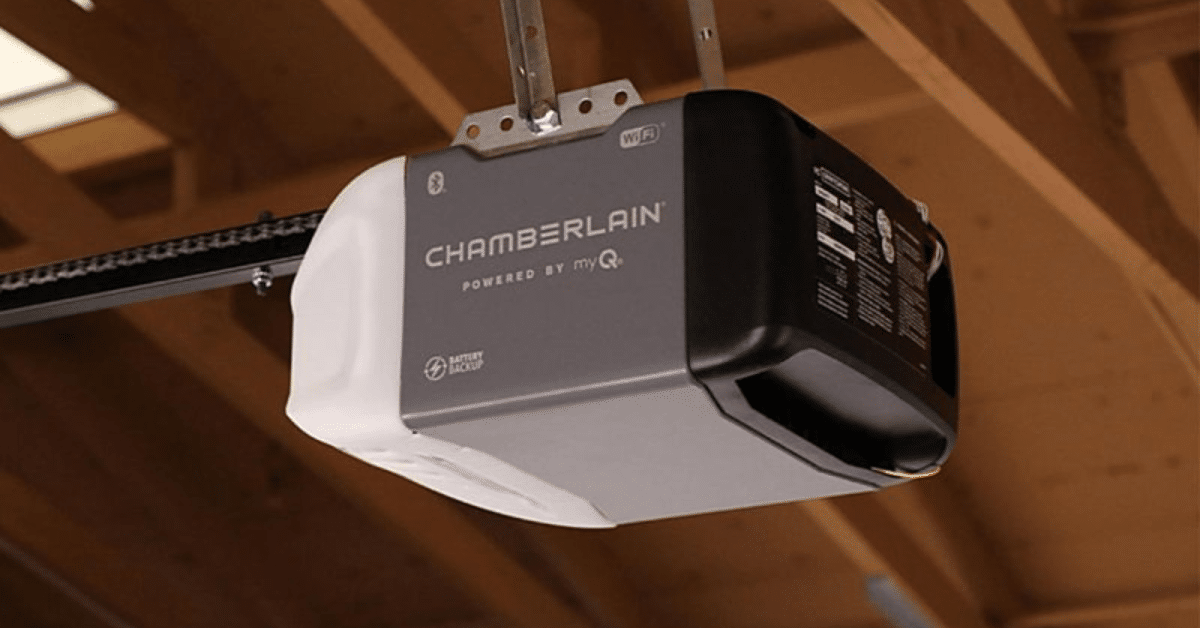
A garage door opener works quietly in the background of daily life—until the day it doesn’t. When it starts making noise, slowing down, or failing altogether, homeowners often ask the same question: how long does a garage door opener last?
In most residential settings, a garage door opener lasts 10 to 15 years. However, lifespan is not determined by age alone. Usage frequency, maintenance, door balance, and opener type all play important roles in how long your system will continue working reliably.
This article explains everything you need to know about how long a garage door opener lasts, what shortens or extends its life, and when repair or replacement makes the most sense.
Understanding How Long a Garage Door Opener Lasts
Manufacturers design garage door openers to handle a limited number of operating cycles. One cycle equals opening and closing the door once. Most residential openers are rated for 10,000 to 15,000 cycles, which usually translates to about 10–15 years of normal use.
However, a household that uses the garage door as the main entry point will burn through cycles much faster than a home that opens the door only a few times per day. That’s why understanding how long a garage door opener lasts requires looking beyond the calendar.
Smart Garage Door Openers: Are They Worth It?
How Long Does a Garage Door Opener Last by Type?
Chain-Drive Systems
Chain-drive openers are strong, affordable, and widely used. They use a metal chain to move the door along the track. In terms of how long a garage door opener lasts, chain-drive models typically last 10 to 15 years. However, without regular lubrication and alignment checks, the chain and motor can wear out faster.
Belt-Drive Systems
Belt-drive openers operate using a reinforced rubber or polyurethane belt. They are quieter and smoother than chain systems. Because of reduced vibration and friction, belt-drive systems often exceed expectations, lasting 12 to 18 years with proper care.
Screw-Drive Systems
Screw-drive openers rely on a threaded steel rod to move the door. They have fewer moving parts but are sensitive to temperature extremes. On average, screw-drive systems last 10 to 14 years, depending on climate conditions and maintenance routines.
Direct-Drive and Smart Openers
Direct-drive and modern smart openers feature advanced motors with minimal moving components. These systems often outperform older designs, with many reaching 15 to 20 years, especially in low-to-moderate use homes.
Key Factors That Affect How Long a Garage Door Opener Lasts
Frequency of Daily Use: The more often the door opens and closes, the faster the internal components wear. High-traffic households reduce opener lifespan significantly.
Garage Door Weight and Balance: An unbalanced or overly heavy door forces the opener to work harder every time it runs. This added strain shortens the motor’s life and accelerates gear failure.
Installation Quality: Poor installation is one of the most overlooked factors affecting how long a garage door opener lasts. Misaligned tracks, incorrect motor sizing, and improper tension can cause early failure.
Maintenance Habits: Regular lubrication, tightening hardware, and inspecting safety sensors can add years to an opener’s life. Neglect almost always leads to premature breakdown.
Warning Signs Your Garage Door Opener Is Reaching the End
- Unusual or Increasing Noise: Grinding, rattling, or squealing sounds often signal worn gears or motor strain.
- Slow or Uneven Operation: If the door opens slowly, stops mid-way, or struggles under normal conditions, the opener may be nearing failure.
- Frequent Breakdowns: Repeated repairs are a strong indicator that replacement is more cost-effective than continued servicing.
- Outdated Safety Features: Older openers may lack modern auto-reverse sensors or smart monitoring, making replacement a safer choice.
How to Extend How Long a Garage Door Opener Lasts
- Schedule Annual Inspections: Professional inspections identify small issues before they become major problems.
- Maintain Door Balance: A properly balanced door reduces strain on the opener motor and gears.
- Lubricate Moving Components: Chains, rollers, hinges, and screws benefit from proper lubrication, reducing friction and wear.
- Avoid Forcing the Door: Never force a stuck door or override safety systems—this causes internal damage.
How to Install a Garage Door Opener
Repair vs Replacement: What’s Smarter?
If your opener is under ten years old and the issue is minor, repair is usually worthwhile. However, if the unit is over 12–15 years old, replacement is often the better investment. Modern openers offer quieter operation, improved safety, better energy efficiency, and smart-home integration.
How Long Does a Garage Door Opener Last in Commercial Use?
Commercial openers experience higher cycle counts and heavier doors. As a result, their lifespan is typically 7 to 10 years, depending on design and maintenance frequency. High-cycle commercial openers can last longer but require strict servicing schedules.
Conclusion
So, how long does a garage door opener last? For most homeowners, the answer is 10 to 15 years, with some systems lasting much longer under the right conditions. Usage habits, maintenance, door balance, and opener type all influence longevity.
By caring for your system properly and recognizing early warning signs, you can extend its lifespan and avoid unexpected failures. When replacement becomes necessary, modern openers provide long-term reliability and improved safety.
Frequently Asked Questions (FAQ)
Q: How long does a garage door opener last on average?
A: Most residential openers last 10–15 years.
Q: Can a garage door opener last 20 years?
A: Yes, with light use and proper maintenance, some openers exceed 20 years.
Q: Does a heavy door shorten opener lifespan?
A: Yes, heavier or unbalanced doors place extra strain on the motor.
Q: Is it worth repairing an old opener?
A: If it’s over 15 years old and frequently failing, replacement is usually smarter.
Q: What is the biggest factor affecting opener lifespan?
A: Usage frequency combined with poor maintenance shortens lifespan the most.