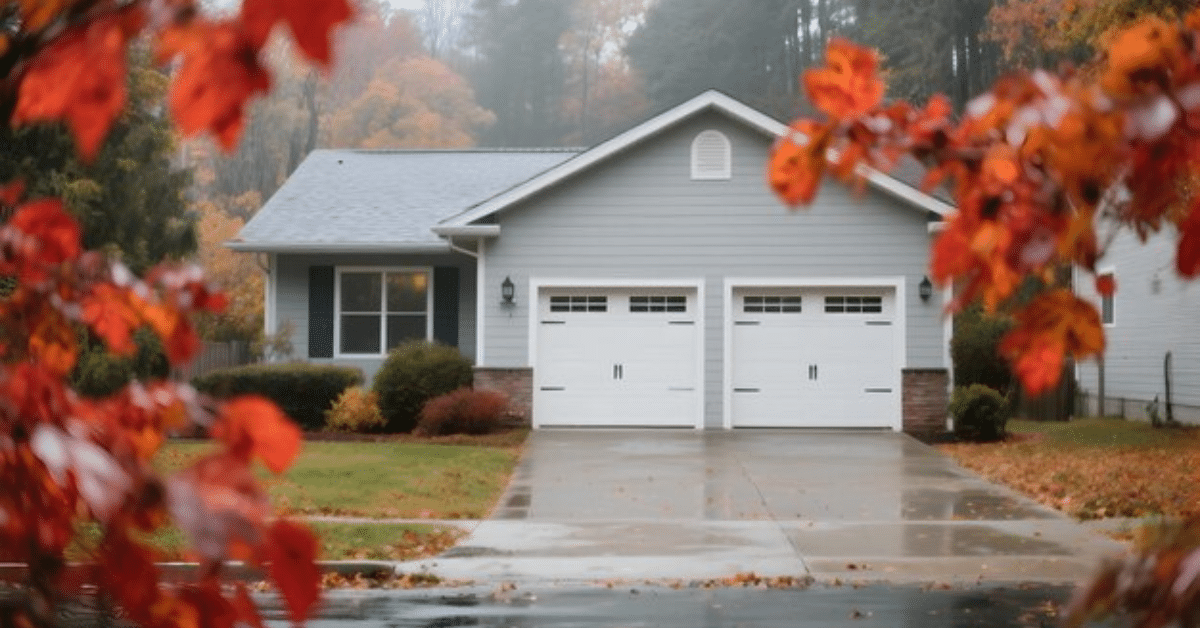
Your garage door works hard every single day, often opening and closing multiple times without much thought from homeowners. However, one major factor that quietly affects its performance, durability, and safety is the weather. From freezing winters to scorching summers, changing conditions can take a real toll on garage door systems.
Understanding how weather affects your garage door helps you spot problems early, avoid costly repairs, and extend the life of your door. In this article, we’ll break everything down in clear, simple language so homeowners can see exactly what’s happening behind the scenes—and what to do about it.
Why Weather Plays a Big Role in Garage Door Performance
Garage doors are exposed to outdoor conditions year-round. Even though parts of the system are inside the garage, many components still react to temperature changes, moisture, and wind.
Weather can affect:
- Metal expansion and contraction
- Wood swelling or shrinking
- Lubrication performance
- Spring tension and balance
- Sensor accuracy and opener reliability
Because garage doors are made of multiple materials working together, even small climate changes can create noticeable issues.
How Weather Affects Your Garage Door in Hot Conditions
Heat and Metal Expansion: High temperatures cause metal components to expand. Tracks, springs, and hinges can slightly change shape when exposed to extreme heat. While this expansion is normal, it can lead to:
- Sticking or rubbing during operation
- Increased friction on rollers
- Extra strain on the opener
Over time, repeated heat exposure may cause parts to wear faster.
Impact on Garage Door Openers: Excessive heat can also affect electronic components. Garage door openers may overheat, especially in garages without proper ventilation. This can result in slower response times or temporary shutdowns.
How Weather Affects Your Garage Door in Cold Temperatures
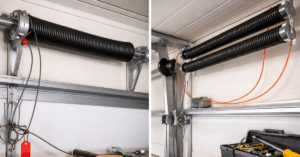
Metal Contraction and Brittle Parts: Cold weather causes metal to contract, which can throw off the balance of your garage door system. Springs become less flexible in freezing temperatures, increasing the risk of snapping. This is one of the most common reasons garage doors fail during winter.
Lubrication Issues in Winter: Cold temperatures thicken lubricants, making it harder for parts to move smoothly. Without proper winter-grade lubrication, rollers and hinges may squeak, bind, or strain the opener.
How Weather Affects Your Garage Door During Rainy Seasons
Moisture and Rust Formation: Rain and moisture are major threats to metal garage doors and hardware. Over time, exposure to water can lead to:
- Rust on springs and cables
- Corrosion on tracks and brackets
- Weakening of fasteners
Rust not only affects appearance but also compromises safety.
Electrical Problems from Moisture: Water can interfere with garage door sensors and opener wiring. High humidity or leaks may cause sensors to malfunction, leading to doors reversing or refusing to close.
How Weather Affects Your Garage Door in Humid Climates
Humidity doesn’t always come with rain, but it can be just as damaging.
In humid conditions:
- Metal parts corrode faster
- Wooden doors swell and warp
- Insulation absorbs moisture
These issues can cause uneven movement, gaps, or alignment problems over time.
How Weather Affects Your Garage Door During Wind and Storms
Strong winds and storms put direct pressure on garage doors, especially large single-panel doors.
Storm-related issues include:
- Dented or bent panels
- Doors pushed off track
- Loose hardware from vibration
In severe storms, garage doors can fail completely, which may also affect the structural integrity of the home.
Seasonal Changes and Garage Door Alignment
Seasonal temperature swings cause repeated expansion and contraction. Over time, this movement can shift tracks and loosen hardware. This is why homeowners often notice garage door problems when seasons change. What worked perfectly in summer may struggle in winter, and vice versa.
How Weather Affects Your Garage Door Sensors
Garage door sensors are sensitive devices designed to keep people safe, but weather can interfere with their function.
Common weather-related sensor issues include:
- Sunlight glare affecting sensor beams
- Dirt and moisture blocking lenses
- Temperature-related wiring issues
Keeping sensors clean and properly aligned helps reduce false errors.
Protecting Your Garage Door from Weather Damage
While you can’t control the weather, you can limit its impact.
Regular Maintenance Is Key
Routine maintenance helps counteract weather-related wear. This includes:
- Lubricating moving parts
- Tightening loose hardware
- Inspecting springs and cables
- Cleaning tracks and sensors
Regular checks allow small issues to be fixed before weather makes them worse.
Weatherstripping and Insulation Matter
Weatherstripping helps seal gaps and keeps moisture, cold air, and debris out of your garage. Proper insulation also reduces temperature swings, which protects both the door and the opener. Replacing worn weather seals is a simple but effective upgrade.
How Often Should You Inspect Your Garage Door Due to Weather?
Because how weather affects your garage door depends on climate, inspection frequency may vary.
General guidelines:
- Mild climates: inspect twice a year
- Harsh climates: inspect every 3–4 months
- After storms: inspect immediately
These checks help spot damage early.
When Weather Damage Requires Professional Help
Some weather-related issues should never be handled as DIY projects, especially those involving:
- Broken springs
- Snapped cables
- Bent tracks
- Electrical opener issues
Professional technicians have the tools and experience to handle these safely.
Long-Term Effects of Ignoring Weather Impact
Ignoring how weather affects your garage door can lead to:
- Frequent breakdowns
- Higher energy bills
- Reduced home security
- Shortened door lifespan
Over time, weather-related wear adds up, making replacement more likely.
Conclusion
Understanding how weather affects your garage door is essential for keeping it safe, reliable, and long-lasting. Heat causes expansion, cold increases breakage risk, moisture leads to rust, and storms create physical damage. Seasonal changes also affect alignment, balance, and performance.
With regular maintenance, proper insulation, and timely inspections, homeowners can reduce weather-related problems and avoid costly repairs. Paying attention to how your garage door responds to the seasons helps ensure smooth operation all year long.
Frequently Asked Questions (FAQ)
Q: Can cold weather cause garage door springs to break?
A: Yes, cold temperatures make springs brittle and more likely to snap.
Q: Does humidity affect garage door sensors?
A: Yes, moisture and condensation can interfere with sensor performance.
Q: Is it normal for garage doors to act differently in winter?
A: Yes, temperature changes affect lubrication, metal tension, and alignment.
Q: Can insulation help protect a garage door from weather damage?
A: Absolutely. Insulation reduces temperature swings and moisture exposure.
Q: Should I service my garage door after a storm?
A: Yes, storms can loosen hardware or damage tracks, so inspection is recommended.