A garage door that refuses to open can instantly disrupt your day. Whether you are rushing to work, returning home late, or simply trying to park your car, this issue is both frustrating and stressful. If your garage door not opening problem appears suddenly, the good news is that many causes are common and often easy to identify.
In this in-depth guide, we will explore every major reason why a garage door may stop working. You will learn how to recognize warning signs, try safe troubleshooting steps, and understand when professional help is the best option. The explanations are simple, practical, and written to help homeowners make informed decisions without confusion.
Understanding How a Garage Door Works
Before diagnosing why your garage door not opening, it helps to understand the basic system. A garage door operates using several connected components:
- Electric opener (motor unit)
- Springs (torsion or extension)
- Cables and rollers
- Tracks and hinges
- Safety sensors
- Remote controls and wall switches
When one part fails or becomes misaligned, the entire system can stop working. Therefore, even a small issue may prevent the door from opening fully or at all.
Power-Related Reasons Your Garage Door Is Not Opening
Power Supply Problems: One of the simplest explanations is also one of the most overlooked. If your garage door not opening, the opener may not be receiving power.
Check the following:
- Is the opener plugged in securely?
- Has a circuit breaker tripped?
- Is there a local power outage?
Power interruptions are common after storms or electrical work. Always rule this out first before assuming a mechanical failure.
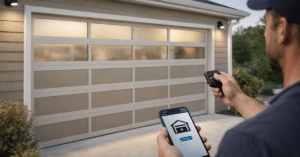
Dead Remote or Wall Button Batteries: If the wall switch works but the remote does not, the issue is likely dead batteries. This small fix can instantly solve a garage door not opening situation.
Garage Door Safety Sensor Issues
Misaligned or Blocked Sensors: Modern garage doors include photo-eye safety sensors near the floor. These sensors prevent the door from closing if something is in the way. However, they can also stop the door from opening properly if they are misaligned or dirty.
Common sensor problems include:
- Dust or spider webs covering the lens
- Sensors knocked out of alignment
- Blinking or solid warning lights
If your garage door not opening, gently clean the sensors and ensure they are facing each other directly.
Sensor Wiring Damage: Loose or damaged wires can interrupt sensor signals. Rodents, moisture, or age can cause wiring issues that prevent normal operation.
Broken Garage Door Springs
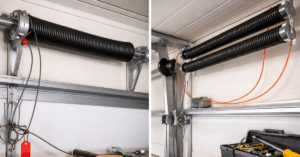
Why Springs Matter: Garage door springs carry most of the door’s weight. If a spring breaks, the opener cannot lift the door, making garage door not opening a serious and common problem.
Signs of broken springs:
- Loud bang from the garage
- Door feels extremely heavy
- Door opens a few inches and stops
Important Safety Warning: Never attempt to replace garage door springs yourself. These springs are under high tension and can cause severe injury. If you suspect a broken spring, contact a professional immediately.
Garage Door Opener Motor Problems
Worn-Out Motor Gears: Over time, the gears inside the opener motor can wear down. When this happens, the motor may run, but the door does not move.
Symptoms include:
- Humming or grinding noises
- Door not responding to remote commands
- Intermittent operation
A failing motor is a frequent cause of garage door not opening, especially in older systems.
Overheating Protection Mode: Some openers automatically shut down if they overheat. If you use your door repeatedly in a short time, allow the motor to cool before testing again.
Track and Roller Obstructions
Bent or Blocked Tracks: If tracks are bent or obstructed, the door may not move smoothly or may stop entirely. Even small debris can cause a garage door not opening issue.
Check for:
- Dents or warping in the tracks
- Dirt buildup
- Loose mounting brackets
Rollers Off Track: When rollers slip out of the track, the door can jam. This often happens after impact or long-term wear.
Manual Lock Engaged by Accident
Many garage doors include a manual slide lock. If this lock is engaged, the door will not open even if the opener is working.
This is especially common after:
- Power outages
- Vacation periods
- Accidental bumps from storage items
Always confirm that the manual lock is disengaged when your garage door not opening unexpectedly.
Broken Cables and Hardware Wear
Frayed or Snapped Cables: Cables work with springs to lift the door evenly. When cables fray or snap, the door may lift unevenly or not at all.
Signs include:
- Crooked door alignment
- Visible cable damage
- Jerky movement before failure
Loose Hinges and Brackets: Over time, vibration and use can loosen hardware. Regular inspections help prevent sudden garage door not opening situations.
Weather-Related Causes
Cold Weather Effects: In cold climates, metal components contract, and lubricants thicken. This can increase resistance and cause temporary failure.
If your garage door not opening during winter:
- Use weather-rated lubricant
- Check rubber seals
- Avoid forcing the door open
Heat and Sun Exposure: Extreme heat can warp tracks and damage electronics, leading to intermittent door failures.
When to Reset Your Garage Door Opener
Sometimes, resetting the opener can solve electronic glitches.
Basic reset steps:
- Unplug the opener for 30 seconds
- Plug it back in
- Reprogram the remote if necessary
If your garage door not opening persists after a reset, further inspection is needed.
When to Call a Professional Technician
While minor issues are safe to troubleshoot, some problems require expert tools and experience.
Call a professional if:
- Springs or cables are damaged
- Door is stuck halfway
- Motor failure is suspected
- Door is off track
Professional service ensures safety, long-term reliability, and proper alignment.
Preventing Garage Door Opening Problems
Routine maintenance greatly reduces the risk of a garage door not opening.
Helpful prevention tips:
- Lubricate moving parts every six months
- Test safety sensors monthly
- Inspect springs and cables visually
- Tighten loose hardware
- Replace remote batteries annually
These small steps keep your garage door operating smoothly year-round.
Final Thoughts
A garage door not opening is more than just an inconvenience—it can be a safety risk and a major disruption. Fortunately, most causes are identifiable with a careful inspection and basic understanding of the system. From power issues and sensor alignment to broken springs and worn motors, each problem has clear warning signs.
By knowing what to check and when to call a professional, you can save time, avoid unnecessary stress, and protect your property. Regular maintenance and quick attention to small issues are the keys to keeping your garage door reliable for years to come.
If your garage door continues to malfunction despite troubleshooting, professional assistance is the safest and smartest solution.